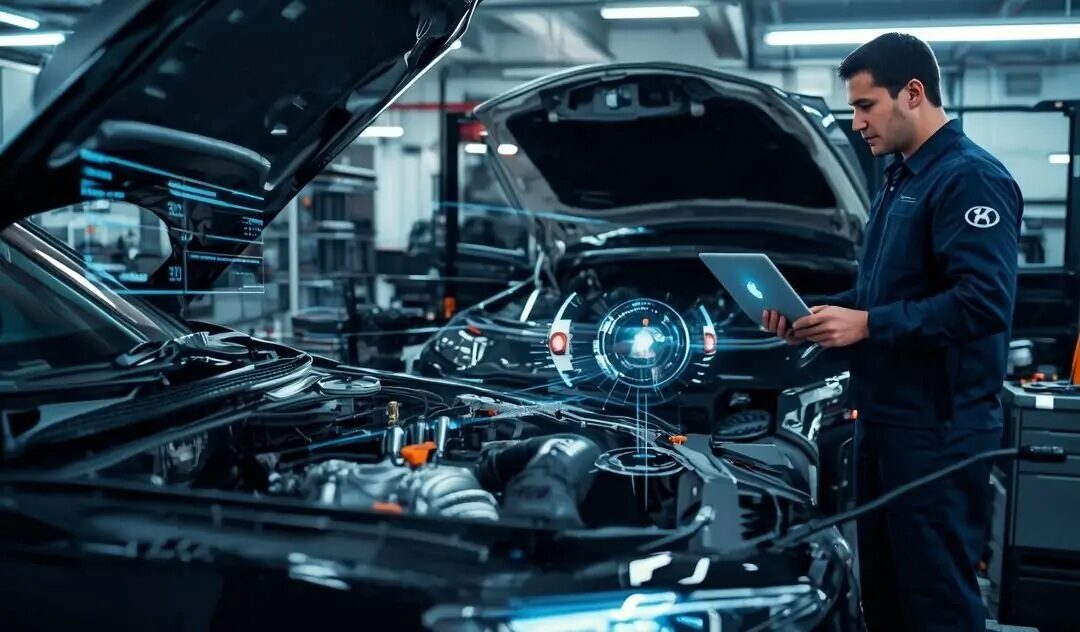
Modern vehicles rely on far more than mechanical parts to run smoothly. Today’s transmission systems use complex software that controls shifting, power delivery and the way the vehicle responds to driving conditions. As cars and trucks continue to advance, software updates have become just as important as fluid changes or filter replacements. For a shop like Jet Auto Transmission, staying current with the technology behind these systems is part of keeping drivers safe on the road.
Software plays a central role in how a transmission operates. It manages timing, communicates with sensors and makes adjustments based on the driver’s behavior. That means even a well-maintained transmission can run into issues when outdated programming forces it to rely on old data. Understanding why updates matter helps drivers make better decisions about long-term care.
How Software Controls Modern Transmissions
Most drivers think of the transmission as a mechanical unit with gears, clutches and hydraulic systems. While that is still true, software now sits at the heart of the process. An electronic control module reads real-time information and decides when and how to shift. Each decision is based on data from sensors that track:
- Vehicle speed
- Engine load
- Throttle input
- Temperature
- Gear position
The software turns these readings into precise movements. A shift that used to depend on hydraulic pressure alone now comes from thousands of calculations every second. The transmission can adapt to towing, climbing hills, or everyday commuting without the driver needing to do anything. When the software falls behind or becomes outdated, the advantages of these features begin to fade.
Why Manufacturers Release Updates
Vehicle manufacturers release software updates for several reasons. These updates are not optional extras. They address performance, reliability and safety.
Some of the most common goals include:
- Improving shift quality
- Boosting fuel efficiency
- Correcting known bugs
- Updating sensor communication
- Enhancing compatibility with new parts or accessories
- Addressing safety concerns
As vehicles gather real-world data, manufacturers learn where improvements are needed. A small update can make a noticeable difference in how the transmission behaves. In some cases, an update is released to fix an issue that could cause long-term wear. Installing the update early prevents expensive repairs later.
How Outdated Software Affects Transmission Performance
Transmission problems do not always come from worn parts. In many modern models, software creates symptoms that feel mechanical even though nothing is broken. When the system relies on outdated instructions, the vehicle may begin to show signs of stress.
Drivers may notice:
- Harsh or delayed shifting
- Rough acceleration
- Reduced fuel economy
- Slipping under load
- Unusual downshifts, especially on slopes
- Warning lights that appear without a clear mechanical issue
These symptoms often lead drivers to believe the transmission is failing. Once a technician reads the codes and checks the software version, the solution might be as simple as updating the control module. Ignoring the issue can cause the transmission to work harder than necessary, which increases wear.
The Growing Role of Over-the-Air Updates
Many newer vehicles now receive over-the-air updates. This technology lets manufacturers send improvements directly to the car without a shop visit. While this convenience helps drivers stay current, not all transmission-related updates are delivered this way. Some require specialized equipment to install properly.
Over-the-air services are also still developing. They often focus on infotainment systems or general performance changes, leaving transmission-specific updates for trained technicians. Shops that specialize in drivetrain work can verify that the correct update is installed, test the results and ensure the system responds as intended.
Why Professional Installation Matters
Even though a software update might sound simple, it should still be handled by a professional. Transmission software interacts with multiple systems. Installing the wrong version or interrupting the process can create serious problems.
Professional service ensures:
- The correct update is selected for the exact model and build
- Battery support is used to prevent power loss during installation
- The technician verifies communication between sensors
- The system is tested to confirm the update worked
- Any related mechanical issues are addressed at the same time
Modern transmissions operate with tight tolerances. A mistake in software installation can cause shifting issues or even damage. Having a trained expert handle the update protects the rest of the drivetrain.
When Drivers Should Request Updates
Drivers do not need constant updates, but there are clear moments when checking for one is a smart idea. Some situations make the system more prone to outdated behavior.
It is worth asking about updates when:
- The vehicle is in for transmission service
- A warning light appears without an obvious cause
- Shifting becomes rough or inconsistent
- Fuel economy drops for no clear reason
- New parts have been installed
- The manufacturer releases a service bulletin
Even if the transmission feels fine, verifying the software version during routine maintenance helps prevent future issues. Staying proactive keeps the system healthy and reduces the risk of major repairs.
The Link Between Software and Fuel Efficiency
Transmission software plays an important part in fuel economy. The control module chooses shift points that balance power and efficiency. When the software is outdated, the transmission may hold gears too long or shift too early. These small changes add up over time.
Manufacturers often release updates after studying real-world driving data. They adjust shift strategies to get better mileage under normal conditions. Drivers who tow trailers or carry heavy loads may see a stronger improvement after updating because the software is better at predicting strain and managing power.
Software Updates and Transmission Longevity
Keeping the software current is one of the simplest ways to extend transmission life. A well-programmed system avoids unnecessary strain. It also prevents situations where the transmission slips or overheats due to incorrect timing.
A few benefits include:
- Less wear on clutches
- Lower operating temperatures
- Better fluid management
- More accurate sensor readings
- Faster detection of minor issues
Mechanical parts last longer when the system communicates clearly. Software updates help the transmission work efficiently instead of compensating for outdated instructions.
How Shops Diagnose Software Issues
Many drivers are surprised to learn how much diagnostic work focuses on software. When a transmission shows unusual behavior, the technician begins by reading codes and checking communication between modules. If no mechanical failure appears, the software becomes the next area to investigate.
Shops use tools that:
- Scan for stored and pending fault codes
- Measure sensor output
- Compare current software versions with manufacturer records
- Test shift timing and response
- Simulate driving conditions
If the software is out of date, the technician installs the update and performs another round of tests. This step confirms that the transmission responds correctly. In many cases, the update resolves the issue without replacing parts.
Common Myths About Transmission Software Updates
Some drivers hesitate to install updates because of misconceptions. Clearing up these myths helps people make informed choices.
Myth: Updates are optional.
In reality, updates often fix known issues. Skipping them can lead to bigger problems.
Myth: Updates only improve performance.
Many updates address safety concerns or compatibility with newer components.
Myth: If the vehicle drives fine, the software must be current.
A transmission can run smoothly while still using outdated instructions. Long-term wear may be building without obvious symptoms.
Myth: Updates slow down older vehicles.
Quality updates improve efficiency and reliability. They do not reduce power or limit performance.
The Future of Transmission Software
As vehicles continue to evolve, software will play an even larger role in how transmissions operate. Electric and hybrid models rely on software to coordinate power between motors and drivetrains. Even traditional automatic transmissions use advanced programming to handle complex driving environments.
The shift toward smarter vehicles means updates will become more frequent and more important. Manufacturers are improving communication systems, which will give technicians better tools to diagnose problems. Drivers will benefit from smoother performance, lower repair costs and better efficiency.
What Drivers Can Do to Stay Ahead
Transmission software does not require constant monitoring, but staying aware of how the system behaves helps spot issues early. Drivers can take a few simple steps to keep their vehicle running smoothly.
- Pay attention to changes in shifting
- Keep up with regular maintenance
- Ask about software checks during service visits
- Track warning lights and unusual behavior
- Stay informed about service bulletins
Working with a shop that understands both mechanical and software needs makes a noticeable difference. The vehicle stays reliable, and drivers avoid surprises that come from outdated programming.
A modern transmission is a combination of precision components and advanced software. Treating both with equal care is the key to long-lasting performance. Software updates may not seem as important as fluid changes, but they play a major role in protecting the system. As technology continues to advance, staying current becomes one of the smartest maintenance choices a driver can make.
If you want your transmission to perform at its best, schedule a visit with Jet Auto Transmission. The team can check your software version, review your system’s health and make sure your vehicle is ready for the road. If you need local auto repair in Davie, FL, contact AMS Jet Transmissions today to schedule a comprehensive diagnostic and repair service.